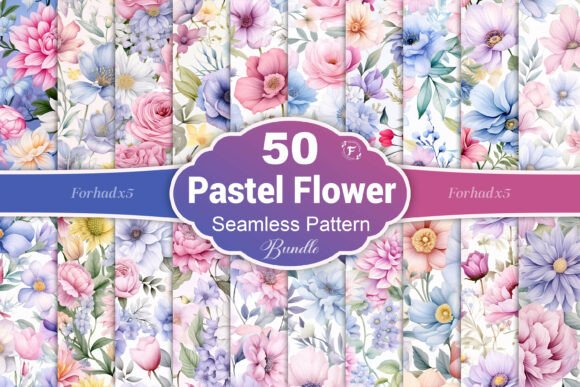
Watercolor Pastel Flower Pattern: A Strategic Design Choice for Modern Creatives
The Watercolor Pastel Flower Pattern is more than just a visual aesthetic—it’s a strategic tool that can elevate your design work, enhance brand identity, and connect with your audience on a deeper level. With its gentle hues and delicate floral motifs, this pattern offers a timeless appeal that resonates across multiple industries and applications. Whether you're designing for print, digital, or branding, the seamless nature of these patterns makes them a versatile asset in any creative toolkit.
What sets the Watercolor Pastel Flower Pattern apart is its ability to blend softness with sophistication. The pastel tones evoke a sense of calm and elegance, while the watercolor technique adds an organic, handcrafted feel. This combination creates a unique visual language that can be adapted to various projects, from stationery and packaging to web design and marketing materials.
Why Watercolor Pastel Flower Pattern Matters Strategically
In today’s competitive design landscape, standing out requires more than just good taste—it demands intentionality. The Watercolor Pastel Flower Pattern provides a way to differentiate your work without overwhelming the viewer. Its subtle beauty allows it to complement other elements rather than compete with them, making it ideal for creating cohesive and harmonious designs.
From a strategic perspective, using this pattern can help you achieve specific goals such as building brand recognition, enhancing customer experience, or supporting a particular messaging tone. For instance, if your brand aims to communicate warmth, creativity, or approachability, the Watercolor Pastel Flower Pattern can reinforce these values through its visual storytelling.
Moreover, the pattern’s seamless design ensures consistency across different formats and sizes, which is crucial for maintaining a professional look in both digital and physical mediums. This consistency not only improves the user experience but also strengthens your brand’s overall image.
When and How to Use Watercolor Pastel Flower Pattern Intentionally
Understanding when to use the Watercolor Pastel Flower Pattern is key to leveraging its full potential. It works best in situations where you want to convey a sense of delicacy, romance, or natural beauty. For example, if you’re designing wedding invitations, baby shower cards, or greeting cards, this pattern can add a touch of elegance that aligns with the occasion’s emotional tone.
However, it’s important to consider the context and audience. While the pattern may be perfect for a boutique fashion brand or a lifestyle blog, it might not be suitable for a high-tech startup or a corporate presentation. The goal is to match the pattern’s aesthetic with the message and values of your project.
To use the Watercolor Pastel Flower Pattern effectively, start by defining your objectives. Are you aiming to create a calming atmosphere, highlight a product, or reinforce a brand’s personality? Once you have a clear purpose, you can experiment with different ways to incorporate the pattern into your designs. This might involve adjusting the scale, color balance, or placement to ensure it supports your overall vision.
Practical Applications Across Industries
The versatility of the Watercolor Pastel Flower Pattern makes it a valuable resource for a wide range of industries. In the world of print-on-demand, for instance, it can be used to create eye-catching merchandise like t-shirts, tote bags, and phone cases. These items often rely on strong visual elements to attract attention, and the pattern’s soft, romantic vibe can make your products stand out in a crowded market.
For branding and stationery, the pattern can serve as a background or accent element that adds depth and character to business cards, flyers, and packaging. It’s particularly effective when paired with minimalist text or bold typography, as it provides a balanced contrast that enhances readability without overshadowing the message.
In the realm of digital design, the pattern can be used to create visually appealing website backgrounds, social media posts, or email templates. Its seamless nature ensures that it looks clean and professional at any size, making it an excellent choice for web designers who want to maintain a consistent visual identity across platforms.
Planning Tips for Effective Integration
Before integrating the Watercolor Pastel Flower Pattern into your projects, take time to plan how it will fit into your overall design strategy. Consider factors such as color harmony, visual hierarchy, and the target audience’s preferences. For example, if your audience is primarily young adults, you might want to use brighter pastel shades to keep the design modern and engaging.
Another important consideration is the resolution and file format. The pattern files provided (50 JPG files at 3600×3600 px) are high-resolution and suitable for both digital and print use. Make sure to test the pattern in different contexts to ensure it meets your quality standards and performs well under various conditions.
Finally, think about how the pattern will interact with other design elements. Will it work well with your existing color palette? Does it complement the fonts and imagery you’re using? By addressing these questions early on, you can avoid last-minute adjustments and ensure a more polished final result.
Risks of Using Watercolor Pastel Flower Pattern Without Clear Intent
While the Watercolor Pastel Flower Pattern is undeniably beautiful, using it without a clear purpose can lead to ineffective or even counterproductive results. One common risk is overuse—when the pattern becomes the focal point of a design, it can distract from the main message or overwhelm the viewer. This is especially true in digital environments where users expect clarity and efficiency.
Another risk is misalignment with the brand’s identity. If the pattern doesn’t reflect the values or personality of your business, it can confuse your audience and dilute your brand’s message. To avoid this, always ask yourself whether the pattern supports your brand’s goals and resonates with your target audience.
Lastly, failing to consider the technical aspects of the pattern can lead to poor quality outputs. For instance, using low-resolution files or improper file formats can result in blurry or distorted images, which can damage your brand’s credibility. Always verify that the files meet your project’s requirements before incorporating them into your designs.
Long-Term Value and Sustainable Use
Investing in the Watercolor Pastel Flower Pattern can provide long-term value by offering a reusable and adaptable design resource. Unlike trends that fade quickly, this pattern’s timeless appeal ensures that it remains relevant across different seasons and markets. This makes it a cost-effective choice for designers who want to build a library of high-quality assets.
Additionally, using the pattern intentionally can contribute to a more sustainable design practice. By selecting versatile and durable assets, you reduce the need for frequent updates or replacements, which can save time, money, and resources in the long run. This approach not only benefits your workflow but also aligns with broader sustainability goals.
Ultimately, the Watercolor Pastel Flower Pattern is more than just a decorative element—it’s a strategic decision that can shape the success of your design projects. When used thoughtfully and deliberately, it has the power to enhance your creative output, strengthen your brand, and deliver meaningful results to your audience.